AirTanker and the £10.5bn Voyager deal: how the RAF ended up renting its own tankers
The RAF's Voyager tankers belong to AirTanker, a private company, under a 2008 private finance initiative deal. A parliamentary committee later said it had not secured value for money.
Key points
- The RAF does not buy its Voyagers outright. AirTanker provides them under a private finance initiative (PFI) contract signed in March 2008 that runs to 2035.
- The Public Accounts Committee said in 2010 that using PFI for the £10.5 billion Future Strategic Tanker Aircraft (FSTA) project 'has not secured value for money'.
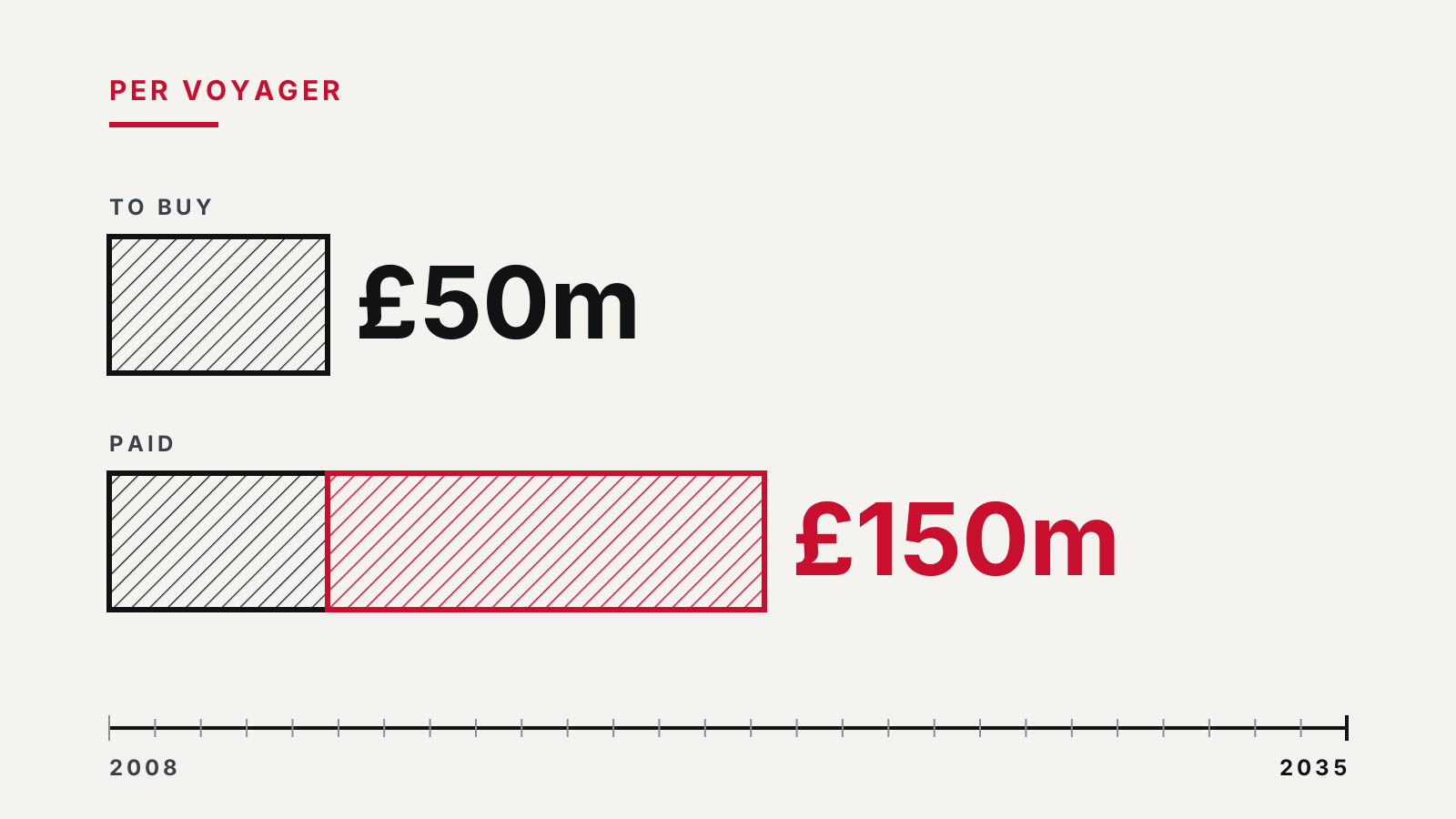
- BBC Newsnight reported that contracts it saw suggested the 14 planes could have been bought for £50m each, while the RAF paid £150m for each plane under a leasing agreement.
- A clause requires all UK military air-to-air refuelling to go through AirTanker, and the contract runs to 2035.
A clause in the contract requires all UK military air-to-air refuelling to go through AirTanker, and the deal runs to 2035. The RAF does not buy its tanker planes. It pays AirTanker, a company partly owned by Airbus, under a private finance initiative (PFI) contract signed in March 2008. In 2010 the Public Accounts Committee said the £10.5 billion project had not secured value for money.
#What is a PFI?
A PFI is a long-term contract in which a company pays for and runs a service the government needs, and the government pays it back over many years. The Voyagers are provided this way. AirTanker owns the planes, and the MoD pays for the capacity they provide.
#How did the Voyager deal start?
The Public Accounts Committee noted that, in "March 2008, the Ministry of Defence [...] signed a private finance initiative (PFI) contract with AirTanker Ltd, for the Future Strategic Tanker Aircraft (FSTA) to provide air-to-air refuelling and passenger transport services."
Under the contract, industry invested about £2.7 billion.
AirTanker's building at Brize Norton houses the two RAF Voyager squadrons, 10 and 101 Squadrons, above company staff and RAF engineers who work alongside them.
#What did the committee conclude?
In 2010 the Public Accounts Committee, chaired by Margaret Hodge MP, said:
"Using PFI to procure the £10.5 billion Future Strategic Tanker Aircraft (FSTA) project was inappropriate and, in the view of this Committee, has not secured value for money. The Department's decision to use PFI was taken against a background of prevailing support for this procurement route. But that's no excuse for the Department's failure to conduct a robust evaluation of alternatives, a failure which should have been challenged by the Treasury."
The committee also said it "took the Department over nine years to negotiate a PFI contract", and that the delays "have led to considerable cost increases against initial estimates". It added: "Throughout the project the MOD has lacked the robust financial and performance data needed to make sensible decisions."
#How much did the Voyagers cost?
The BBC reported that the Voyager aircraft cost three times more than anticipated. BBC Newsnight said: "Contracts seen by Newsnight suggest the 14 planes could have been purchased for £50m each. Instead the RAF paid £150m for each plane as part of a leasing agreement."
| Measure | Figure per plane |
|---|---|
| Purchase price suggested by contracts seen by Newsnight | £50m |
| Paid by the RAF under the leasing agreement | £150m |
Show the data
| Item | Value | Note |
|---|---|---|
| Could have been bought for | £50m | |
| Paid through the PFI lease | £150m | Three times the purchase price |
#Who owns the Voyagers?
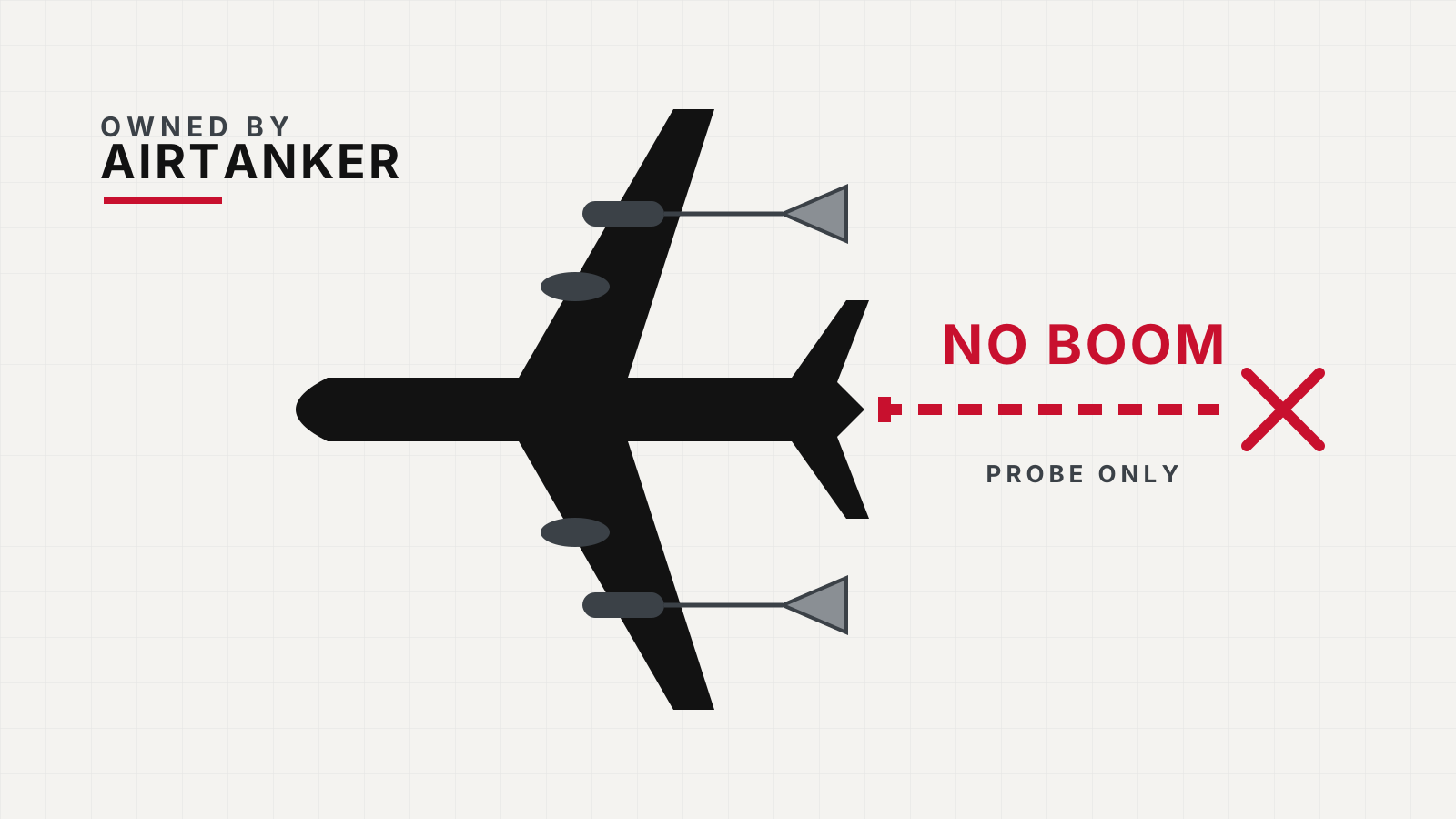
AirTanker owns the Voyagers, not the RAF. Surge aircraft carry civil registrations and can be leased out commercially, according to an annotated fleet listing.
The ownership question has practical effects. A commentator on a military aviation forum observed: "The basic problem is that the RAF/MoD/HMG do not 'own' any of the Voyagers. Airtanker do. Therefore the RAF cannot just decide to fit booms to some of the Voyagers, because they aren't the RAF's property."
AirTanker's consortium shareholders have included Airbus, Rolls-Royce, Thales and Babcock. Rolls-Royce sold its stake in 2021, reportedly in response to the impact of the COVID-19 pandemic on air travel (Sky News). See the partners behind AirTanker.
#Why does the contract matter now?
A report from King's College London argues that, "as the RAF continues to modernise its capabilities and procure new aircraft types, more platforms require the flying boom method to refuel, meaning the Voyager is increasingly limited in what it can support." The report also says the RAF depends on the US Air Force, which has a wider fleet of refuelling tankers.
The report links the problem to money. It says that "the primary obstacle to acquiring booms had been financial", and that this has "undermin[ed] the overall credibility of the British armed forces, and in particular the RAF as a force capable of undertaking sovereign action."
Two of the Voyagers based at Brize Norton were damaged in June 2025. For the technical side, see the boom problem and US dependence. For the damage to those two planes, see the damage figures.
Questions and answers
What is a private finance initiative (PFI)?
PFI, the private finance initiative, is a model in which a company funds and runs a public service and the government pays for it over many years. The RAF's Voyager tankers were procured this way through AirTanker.
Who owns the RAF's Voyager tanker planes?
AirTanker Ltd, a private company, owns the Voyagers, not the Ministry of Defence (MoD). The MoD pays for capacity under the 2008 FSTA contract, which runs to 2035.
How much did the Voyager deal cost?
The Public Accounts Committee described the FSTA project as £10.5 billion. BBC Newsnight reported that contracts it saw suggested the 14 planes could have been bought for £50m each, while the RAF paid £150m for each under a leasing agreement.
Sources
- Booms, probes & PFIs: future of UK air refuelling
- Public Accounts Committee (2010)
- BBC Newsnight
- Sky News