No boom and no ownership: why the RAF's Voyager fleet leaves Britain dependent on the US
As far as the research shows, RAF Voyagers cannot refuel with a boom, and AirTanker, not the MoD, owns them. A King's College London report says the RAF depends on the US Air Force for wider capacity.
Key points
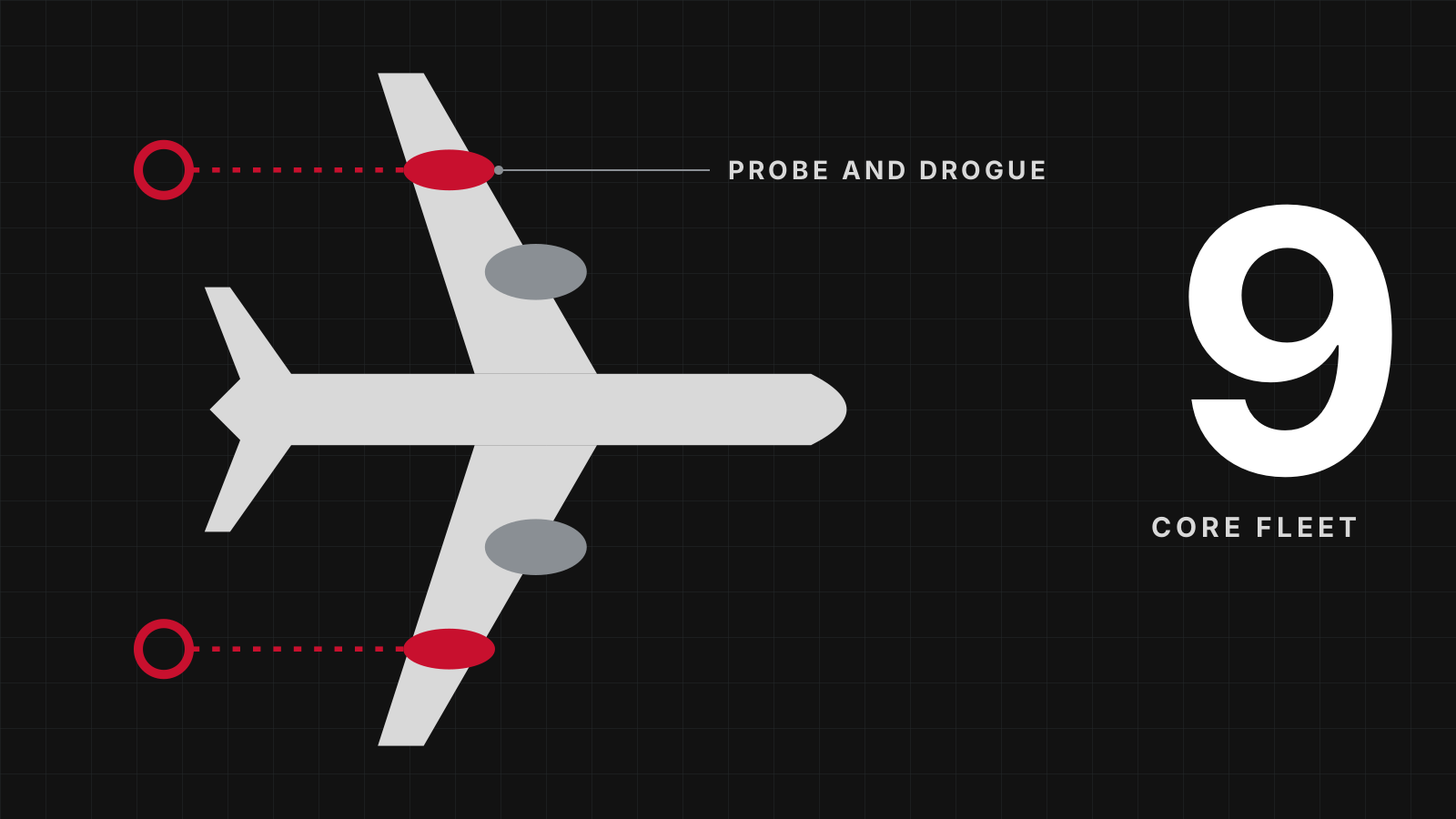
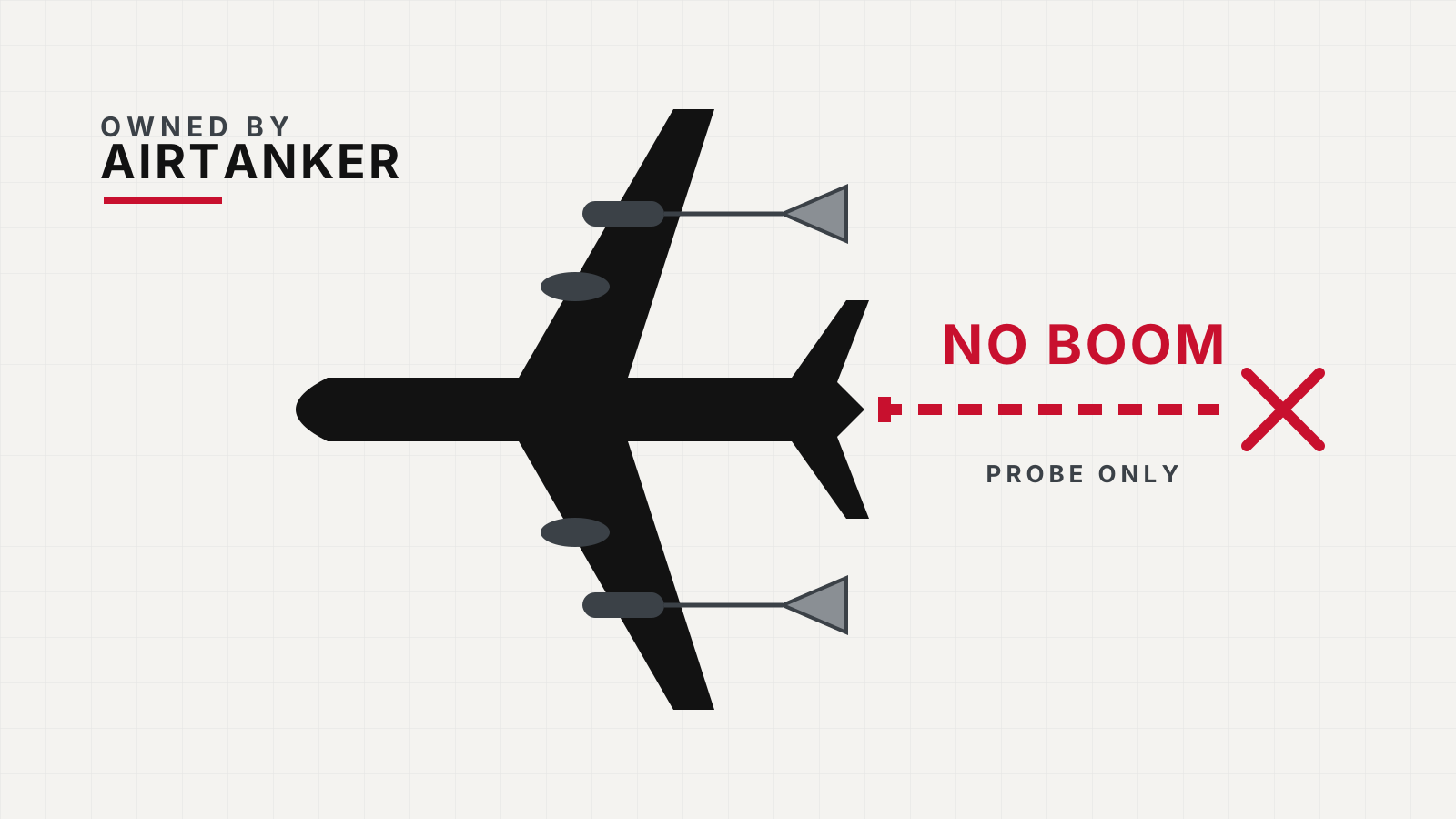
- As far as the research shows, RAF Voyagers have only probe-and-drogue refuelling, so they cannot refuel jets that take fuel by boom.
- A King's College London report says the main obstacle to acquiring booms has been financial.
- AirTanker owns the Voyagers, not the Ministry of Defence. The RAF uses them under a private finance initiative contract that runs to 2035.
- AirTanker's chief executive said the RAF's core Voyager fleet of nine is under strain: 'I can't see the load getting any less.'
A King's College London (KCL) report says "more platforms require the flying boom method to refuel, meaning the Voyager is increasingly limited in what it can support." As far as the research shows, RAF Voyagers can refuel only by probe-and-drogue, and the company that owns them is AirTanker, not the Ministry of Defence (MoD).
#Can the Voyager refuel with a boom?
There are two ways to refuel an aircraft in the air, and they do not work with each other. RAF Voyagers have only the probe-and-drogue method, so they can refuel US Navy and Marine jets, which use probes.
The KCL report says that, as the RAF modernises and procures new aircraft types, "more platforms require the flying boom method to refuel, meaning the Voyager is increasingly limited in what it can support." The limit grows with each new aircraft type the RAF buys that needs a boom.
#Why is the boom a cost question?
The report says that "the primary obstacle to acquiring booms had been financial [...] undermin[ing] the overall credibility of the British armed forces, and in particular the RAF as a force capable of undertaking sovereign action."
Cost has been a theme in the Voyager programme more widely. BBC Newsnight reported that "Contracts seen by Newsnight suggest the 14 planes could have been purchased for £50m each. Instead the RAF paid £150m for each plane as part of a leasing agreement." That comparison concerns buying and leasing the aircraft, not fitting booms, but it shows why cost decisions about the fleet are disputed.
#Who owns the Voyagers?
AirTanker Ltd owns the Voyagers, according to the Flightradar24 listing of RAF fleet ownership. The RAF gets them through a private finance initiative (PFI), a long-term contract in which a company pays for and runs a service the government needs, and the government pays it back over many years.
Under this contract, industry invested about £2.7 billion, the deal runs to 2035, and a clause requires all UK military air-to-air refuelling to go through AirTanker. AirTanker's building at Brize Norton houses the two RAF Voyager squadrons, 10 and 101 Squadrons, above company staff and RAF engineers who work alongside them. The Flightradar24 listing notes that surge aircraft carry civil registrations and can be leased out commercially. The Brize Norton base page gives more background on the squadrons.
The Public Accounts Committee took a critical view of the arrangement in 2010. It said that "using PFI to procure the £10.5 billion Future Strategic Tanker Aircraft (FSTA) project was inappropriate and, in the view of this Committee, has not secured value for money." The PFI contract with AirTanker has its own article.
Ownership also shapes whether the RAF can change the aircraft. One commentator on a military aviation forum observed: "The basic problem is that the RAF/MoD/HMG do not 'own' any of the Voyagers. Airtanker do. Therefore the RAF cannot just decide to fit booms to some of the Voyagers, because they aren't the RAF's property." That is one commentator's view, not an official assessment. The reporting used here does not show whether the contract would allow a boom fit.
#How stretched is the fleet?
The RAF's core Voyager fleet is nine aircraft. Mark Alexander, AirTanker's chief executive, described the fleet as already stretched in an interview on The High Ground podcast: "I can't see the load getting any less." He added there were conversations around "whether additional aircraft will be required to move into the core fleet."
On the same podcast, Alexander said the damage in the protest at RAF Brize Norton "took two aircraft out of the availability of the fleet". He said the first was back operational within seven days and the second about ten days later. The podcast hosts also cited fleet "availability of 96%", a figure the company is judged on.
The boom question also bears on a separate and contested claim about Israeli fighter jets. The explainer on whether RAF Voyagers could refuel Israeli jets sets out why that claim is disputed.
Questions and answers
Can RAF Voyager tankers refuel with a boom?
As far as the research shows, no. They have only probe-and-drogue refuelling, and a King's College London report says more RAF platforms need boom refuelling, which limits the Voyager further.
Who owns the RAF's Voyager tankers?
AirTanker Ltd owns them, not the Ministry of Defence. The RAF uses them under a private finance initiative (PFI) contract that runs to 2035 and requires all UK military air-to-air refuelling to go through AirTanker.
Does the UK depend on the US for air refuelling?
A King's College London report says the RAF relies on a US Air Force fleet of tankers that is wider than its own.
Sources
- King's College London report
- Booms, probes & PFIs: future of UK air refuelling (interview with Mark Alexander, CEO of AirTanker)
- Contracts seen by Newsnight
- Flightradar24 flight histories